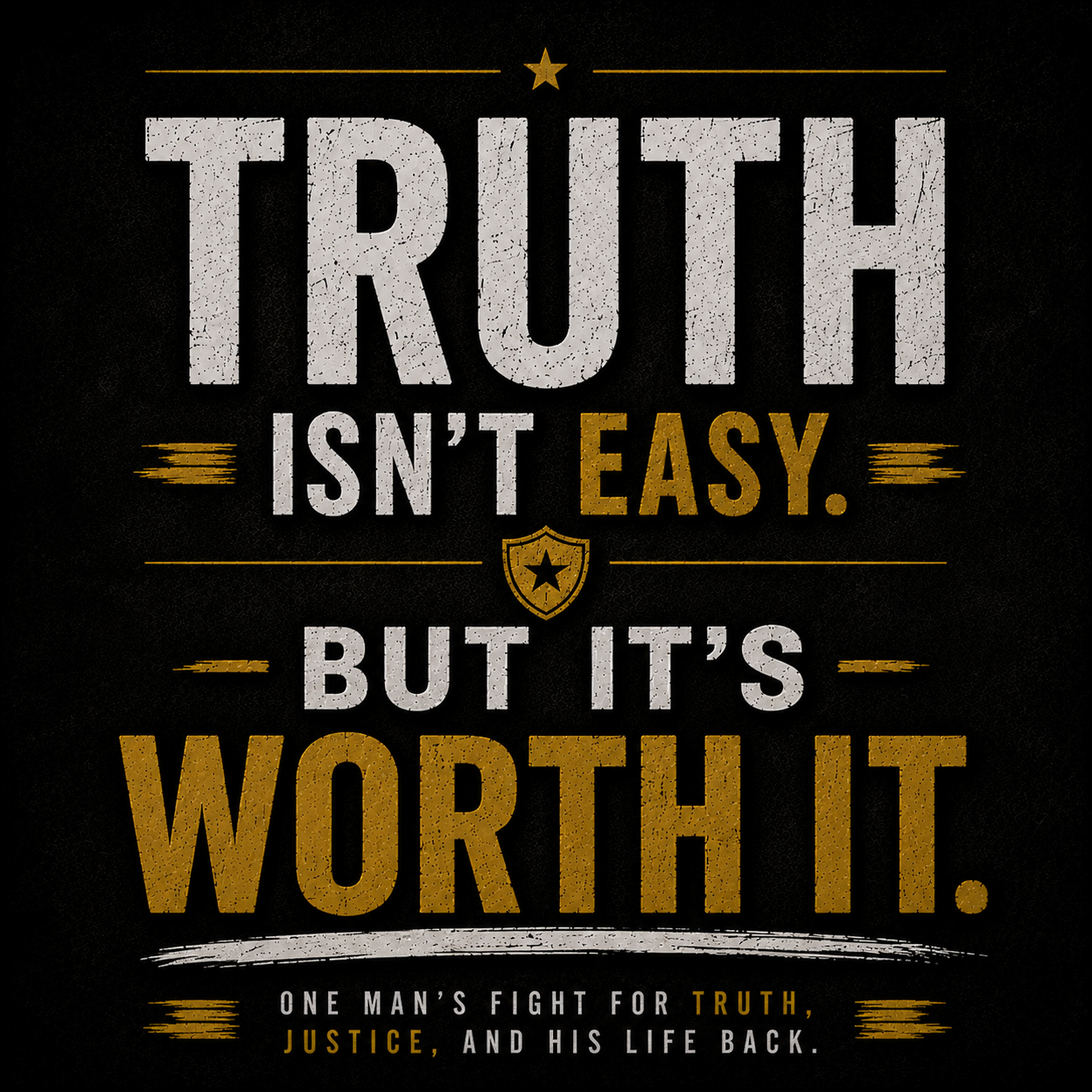
Appearances deceive. Strength, status, and composure often hide pain no one expects. In PROOF, a Marine and survivor shatters the myth that domestic violence is visible. Your certainty about who’s at risk puts survivors at danger. This memoir reveals the hidden abuse signs that law enforcement and advocates must learn to spot—because recognizing non-traditional victims saves lives. Watch a powerful message on this link.
Misleading Appearances of Victims
Appearances can mislead even the most experienced professionals. This section explores why visible strength doesn’t equate to invulnerability and how abuse often lurks behind a mask of composure.
Strength and Abuse Coexist
It’s a common misconception that strong individuals can’t be victims. As a Marine and third-degree black belt, the author of PROOF highlights how physical and mental strength can coexist with victimhood. Imagine someone who excels in combat sports, someone you’d assume could defend themselves in any situation. Yet, strength doesn’t shield from abuse. Many victims, like the author, possess outward strength but face internal battles. The memoir challenges you to rethink assumptions about what a victim looks like.
Strength is not a barrier to abuse. Rather, it can obscure the signs. When society equates strength with immunity to harm, it fails those who need help the most. The key insight here is that anyone can be a victim, regardless of their physical or mental fortitude.
Hidden Abuse Signs
Not all abuse leaves visible scars. Many signs are subtle, hidden in plain sight. It’s essential for advocates and law enforcement to look beyond the obvious. Emotional and psychological abuse can manifest in ways that aren’t immediately apparent. A confident demeanor might hide deep-seated fear. Someone’s consistent reassurance that “everything’s fine” might be a red flag. The memoir teaches us to listen carefully and question the surface.
Understanding hidden abuse requires empathy and awareness. It demands that you look beneath the surface and ask the right questions. Here’s the key takeaway: true insight comes from paying attention to the less obvious signs and taking all claims seriously.
Recognizing Non-Traditional Victims

The stereotypes surrounding victims are harmful. This section debunks those myths and shows why reliance on appearances can lead to disastrous consequences.
Victim Stereotypes and Misconceptions
Victim stereotypes are deeply ingrained in society. People often imagine a victim as weak or submissive, which couldn’t be further from the truth. The author of PROOF, a Marine, counters this notion by sharing their own story. They show that victims can be anyone, regardless of their background or achievements.
Misconceptions arise when assumptions take precedence over facts. These stereotypes can lead to victims being dismissed or disbelieved. PROOF confronts these misconceptions head-on, urging you to broaden your understanding of who could be a victim.
Breaking these stereotypes is vital. Recognizing non-traditional victims means challenging your biases and listening with an open mind. The takeaway is clear: the ability to be a victim isn’t visible, and assumptions must be questioned.
False Certainty in Investigations
False certainty can derail investigations. Many professionals think they can spot a victim based on appearances alone. This approach is flawed and dangerous. In PROOF, the author reveals how their own case was mishandled due to such errors. Despite ample evidence, the assumptions about what a victim should look like clouded judgment.
This memoir prompts you to reconsider how investigations are conducted. It demands a shift from surface-level judgments to evidence-based assessments. Recognizing this flaw can lead to better outcomes for victims. The key takeaway is that certainty based on appearances can be a costly mistake.
Tools for Advocacy and Law Enforcement

Advocates and law enforcement officials need the right tools to identify victims accurately. This section provides guidance on how education and survivor stories can pave the way for better recognition.
Advocacy Education Domestic Violence
Education is crucial for advocates. Recognizing non-traditional victims requires training and awareness. Programs that focus on understanding subtle signs of abuse can lead to more effective advocacy. Reading resources like PROOF can help educate and prepare you to support all victims, not just those who fit the stereotype.
Educating yourself and others is a powerful tool. It opens the door to better support systems and more inclusive recognition of victims. Here’s the key insight: with the right training, you can make a real difference in the lives of those affected by domestic violence.
Survivor Speaking Engagements
The power of survivor stories cannot be overstated. Hearing firsthand accounts can shift perspectives and inspire change. The author of PROOF offers speaking engagements to share their experience and advocate for better victim recognition. These talks provide valuable insights into the challenges faced by non-traditional victims.
Engaging with survivor stories is a step toward understanding. It challenges preconceived notions and encourages empathy. The key takeaway is that by listening to survivors, you can become a better ally and advocate for those in need.
Frequently Asked Questions
Why can’t appearances be relied upon to identify domestic violence victims?
Appearances can be deceiving. Many victims do not fit the stereotypical image of a victim. Factors like strength and composure often mask the reality of abuse.
How can I better recognize non-traditional victims?
Consider training and education programs that focus on subtle signs of abuse. Listen to survivor stories and challenge your assumptions about victimhood.
What role can survivor stories play in advocacy and law enforcement?
Survivor stories offer powerful insights and can inspire change. They provide real-world examples of the challenges victims face and the need for better recognition practices. Engaging with these stories can enhance understanding and empathy.
How does PROOF challenge victim stereotypes?
PROOF provides a firsthand account of a Marine who faced domestic violence. It counters the stereotype that victims are weak by highlighting the author’s strength and resilience.
What are hidden signs of abuse?
Hidden signs include emotional distress, changes in behavior, or consistently downplaying situations. These signs require careful listening and a willingness to see beyond physical appearances.
Leave a Reply