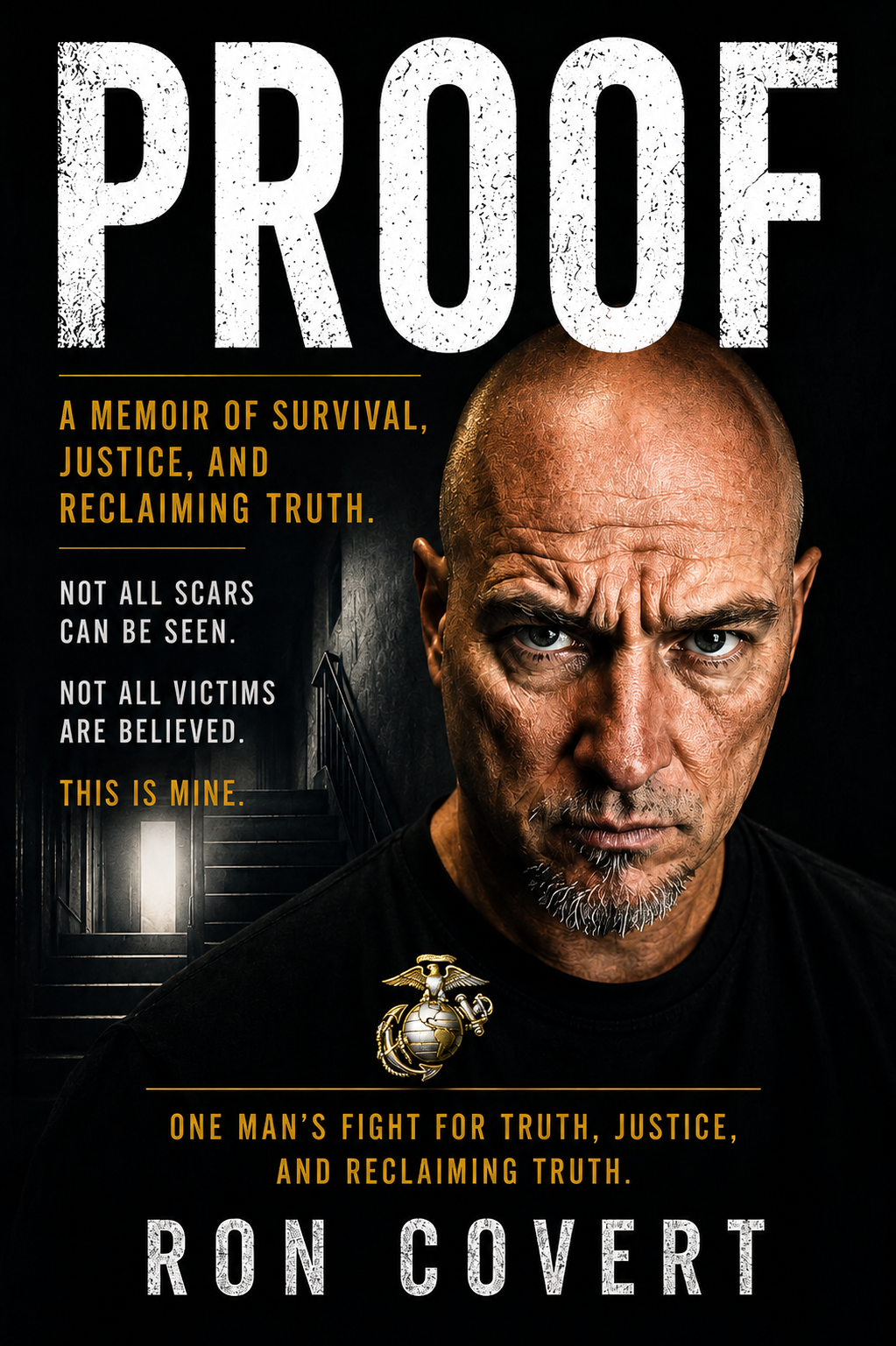
Proof should be enough. Yet, survivors with clear evidence still face dismissal. When the system expects a different kind of victim, bias blocks recognition before anyone reads a single word. This is the reality for many domestic violence survivors who don’t fit familiar stereotypes. It’s time to confront this systemic failure and reshape how advocates and law enforcement see survivor credibility. For more information on the impact of stereotypes and unconscious bias, please refer to this resource.
When Proof Isn’t Enough
When it comes to domestic violence, proof often fails to sway minds as it should. Survivors face a system where the evidence doesn’t always equal recognition. This gap stems from preconceived notions about who a victim should be.
The Myth of Sufficient Evidence
Many believe that presenting clear evidence ensures justice. However, reality paints a different picture. Imagine a Marine and third-degree black belt. Despite recording incidents and having visible injuries, his story was doubted. The system expected a different kind of victim. This misalignment between evidence and belief highlights a deep-seated issue. A study from the Georgetown Law faculty shows how preconceived notions influence outcomes. This mismatch often leads to valid evidence being dismissed. For survivors, this is a frustrating and disheartening experience. They gather proof, only to find it questioned or ignored.
Credibility Gap and Bias
Biases create a credibility gap that many survivors encounter. It’s not just about the evidence but about who presents it. If a survivor doesn’t fit the stereotypical image, their story might be doubted. This credibility gap is a systemic failure. Recognizing this bias is crucial. It affects how evidence is perceived and whether justice is served. A study highlights how stereotypes influence law enforcement’s response to reports. Overcoming this requires a shift in mindset. We must see beyond surface appearances and understand the true experience of survivors.
Stereotypes Blocking Recognition

Stereotypes are powerful barriers that block recognition. They paint a narrow picture of who a victim is, often leaving non-traditional survivors overlooked. This section explores how these stereotypes operate and why they persist.
Non-Traditional Victims Overlooked
Not all victims fit the expected mold. A Marine survivor is a prime example. His strength and resilience worked against him. People struggled to see him as a victim because he didn’t fit the typical narrative. Stereotypes can cloud judgment, leading to overlooked victims. In cases where evidence contradicts stereotypes, the evidence itself is often dismissed. This creates a cycle where victims are not heard, and their stories remain untold. Advocacy groups stress the importance of challenging these stereotypes to ensure all victims are recognized.
Bias in Victim Recognition
Bias in recognizing victims is a pervasive issue. It shapes perceptions and affects outcomes in legal settings. Many assume that certain characteristics define a victim. This bias can lead to real harm, as it influences decisions in critical moments. A research article discusses how bias affects decision-making in law enforcement. Victims who don’t fit the mold may find their credibility questioned, regardless of the evidence they present. Addressing this bias is essential in making sure all voices are heard and valued.
Reframing Survivor Recognition

To improve recognition, we need to change how we view survivors. This means adopting new approaches and training to better support those who come forward.
Trauma-Informed Policing Solutions
Policing solutions that consider trauma can bridge the recognition gap. By understanding trauma’s impact, law enforcement can approach cases with empathy and awareness. This involves training officers to recognize signs of trauma and respond appropriately. For example, recognizing that a calm exterior may be a coping mechanism rather than a sign of deceit. Implementing such practices can transform how survivors are treated. A trauma-informed approach can help ensure that evidence is taken seriously and survivors are heard.
Advocacy and Law Enforcement Training
Training is key to changing perceptions and improving outcomes. Advocacy groups offer programs that educate law enforcement on recognizing diverse victim experiences. These programs provide strategies to counteract biases and stereotypes. Law enforcement officers learn to evaluate evidence on its own merits, not based on who presents it. This training aims to create a more equitable system for all survivors. By equipping officers with the tools to see beyond stereotypes, we can foster a more just and supportive environment for victims.
Frequently Asked Questions
What is the credibility gap in domestic violence cases?
The credibility gap refers to the difference between the evidence a victim presents and how it is perceived. Biases and stereotypes can lead to evidence being dismissed if the victim doesn’t fit the expected image.
How can stereotypes affect victim recognition?
Stereotypes create a narrow view of who can be seen as a victim. Non-traditional victims, such as those who don’t fit the typical mold, may be overlooked or doubted, regardless of their evidence.
What role does training play in victim recognition?
Training helps law enforcement and advocates understand diverse victim experiences. It provides tools to counteract biases and ensure evidence is evaluated fairly, leading to better support for all victims.
Leave a Reply