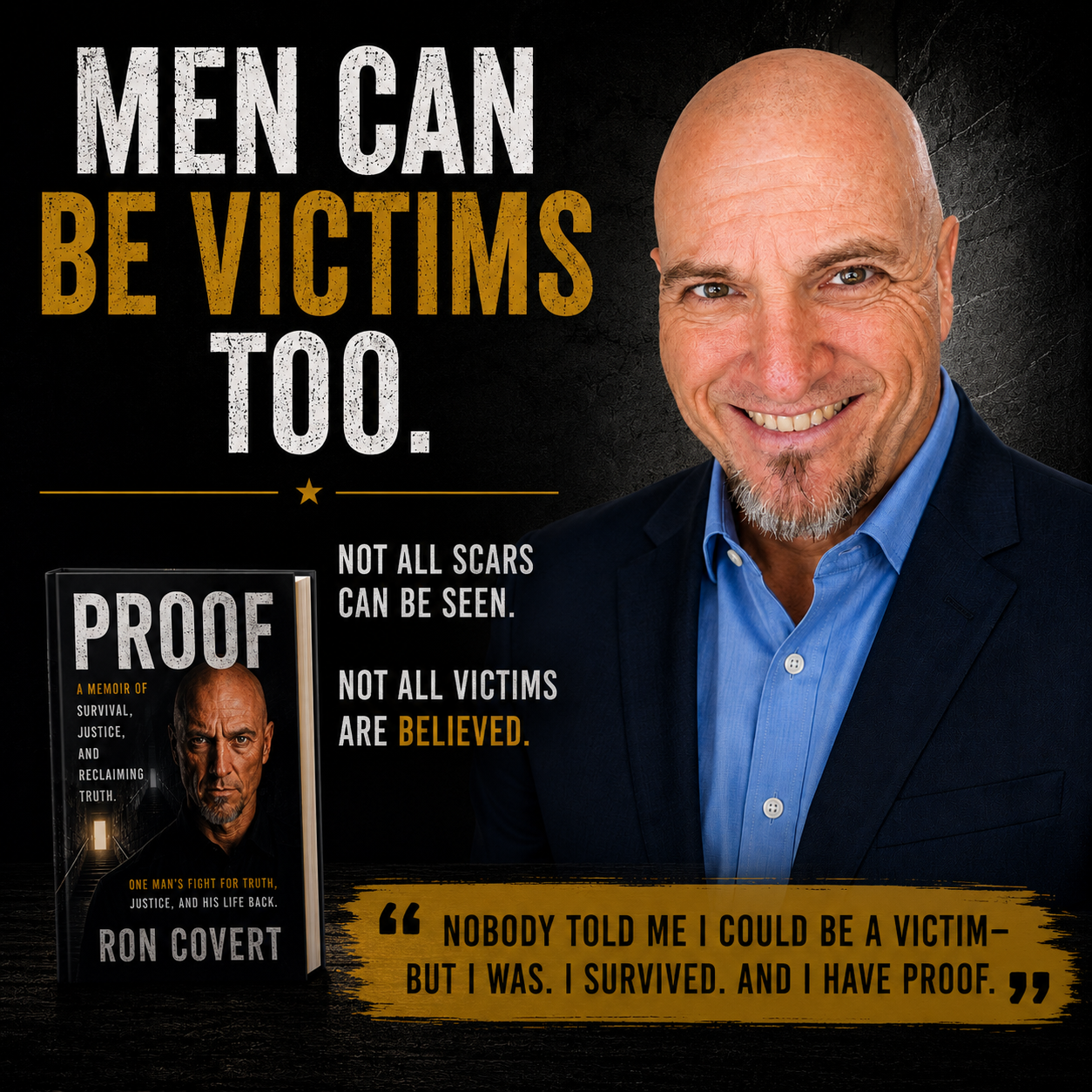
Appearances decide who gets believed in seconds. That snap judgment costs survivors like me twice: the harm itself and the disbelief that follows. Victim credibility must rest on evidence over appearance, because visual bias hides the scars no one sees. This post breaks down how that bias shows up in advocacy and law enforcement — and how you can spot survivors others overlook. Learn more about these biases and their effects here.
Visual Bias and Victim Credibility
People often decide who looks like a victim and who doesn’t in a heartbeat. This quick judgment can harm those who don’t fit the typical image. Let’s explore how visual bias affects victim credibility and the danger of these assumptions.
Appearance Does Not Define Victimhood
Victimhood cannot be defined by appearance alone. Many believe a certain look makes someone a victim, but this is far from true. People from all walks of life, including those with strength and composure, can be victims. A Marine or a martial arts expert might not fit the victim stereotype, but that doesn’t erase their experiences.
Consider the story of a Marine who faced disbelief despite having strong evidence. His testimony was doubted because he didn’t match the image of a victim. It’s crucial to understand that victim credibility should rely on evidence and testimony, not stereotypes. This mindset shift helps ensure that all survivors are believed and supported.
The Danger of Quick Judgments
Quick judgments can lead to dangerous assumptions. When people judge based on appearances, they risk ignoring real evidence. This can mean overlooking important signs of abuse that aren’t visible. For instance, scars that aren’t physical can be just as damaging, but they often go unnoticed.
This tendency to judge quickly affects how survivors are treated. It can lead to dismissing their stories and undermining their credibility. To prevent this, we must commit to listening and verifying evidence, rather than relying on first impressions. Remember, true understanding requires looking beyond the surface.
Hidden Battles of Nontraditional Victims

Nontraditional victims often face hidden battles, fighting against biases that overlook their experiences. Understanding these challenges is key to offering them the support they deserve.
Overlooked Strength in Survivors
Survivors who don’t fit the typical victim mold often have their strength underestimated. Their resilience is sometimes mistaken for invulnerability, causing others to dismiss their claims. This oversight can be incredibly harmful, leaving survivors to fight their battles alone.
Imagine a scenario where a strong, composed individual reports abuse but is met with disbelief. Their composure, mistaken for strength, leads others to doubt their story. It’s vital to recognize that strength doesn’t negate victimhood. Every survivor deserves to be heard and believed, regardless of their demeanor or physical appearance.
Unseen Scars of Male Survivors
Male survivors, in particular, face unique challenges. Society often assumes that men can’t be victims, leading to their experiences being overlooked. This misconception can cause male survivors to feel isolated and unsupported in their journey.
Male survivors may bear unseen scars, both emotional and psychological. These scars aren’t always visible, making it difficult for others to understand their pain. Recognizing these hidden struggles is crucial to providing the support they need. By acknowledging male survivors and their experiences, we can work toward a more inclusive understanding of victimhood.
Fighting Systemic Failures

Addressing systemic failures requires a shift in how credibility is assessed. By prioritizing evidence over appearance, we can create a fairer system for all survivors.
Evidence Over Appearance in Credibility Assessment
When assessing credibility, evidence should always take precedence over appearance. This approach ensures that all survivors are given the attention and support they deserve. Instead of relying on stereotypes, we must focus on the facts and details presented in each case.
Imagine a situation where a survivor’s evidence is dismissed because they don’t fit the expected profile. This can lead to unjust outcomes and leave survivors feeling unheard. To prevent this, it’s crucial to base credibility assessments on tangible evidence, allowing for a more accurate understanding of each case. Read more about the importance of evidence in credibility assessments here.
Trauma-Informed Response in Law Enforcement Training
Law enforcement training must include a trauma-informed approach. This involves understanding the impact of trauma on survivors and adjusting responses accordingly. By doing so, officers can offer more empathetic and effective support to those in need.
A trauma-informed response recognizes the diverse experiences of survivors, ensuring that each individual receives appropriate care. This approach fosters trust between survivors and law enforcement, encouraging more survivors to come forward. Training officers to respond with empathy and understanding can transform the way victims are treated, leading to better outcomes for all involved. Explore more on trauma-informed responses in law enforcement.
Frequently Asked Questions
Why is victim credibility often judged by appearance?
Victim credibility is sometimes judged by appearance due to societal stereotypes about what a victim looks like. This bias can lead to dismissing those who don’t fit the expected image, despite their experiences and evidence.
How can we ensure all survivors are believed and supported?
To ensure all survivors are believed, we must prioritize evidence over appearance and adopt a trauma-informed approach. This involves listening, verifying evidence, and acknowledging the diverse experiences of victims.
What are the unseen challenges faced by male survivors?
Male survivors often face challenges such as societal disbelief and isolation. Their experiences are frequently overlooked due to stereotypes that men can’t be victims, leading to a lack of support and recognition. Recognizing these challenges is essential to offering them the help they need.
Leave a Reply