Strong evidence dismissed the moment a victim doesn’t fit the expected profile. You’ve seen it happen: credible proof ignored because the survivor’s strength or appearance clashes with stereotypes. This isn’t just a blind spot—it’s systemic bias in victim services that leaves many without the support they deserve. In this post, you’ll understand how survivor bias warps justice and why calling it out matters now more than ever. For more insights, check out this resource.
When Evidence Gets Dismissed
The Unexpected Victim Profile
Imagine a strong, disciplined Marine seeking help after a domestic assault. The system hesitates. Why? He doesn’t fit the typical image of a victim. This isn’t a rare case. Many face disbelief simply because they defy stereotypes. This bias isn’t just unfair; it endangers those in need.
When a victim doesn’t match the expected profile, their evidence can be disregarded. This results in delays or denials of support. It’s not about the credibility of the proof, but the preconceived notions about who “should” be a victim. This systemic bias must be addressed for justice to be truly served.
Bias in Victim Response Systems
Victim response systems are supposed to protect and serve, yet they often fall short due to ingrained biases. These systems are built on assumptions about what a victim looks like. When those assumptions are challenged, the system falters. For survivors, this means their valid claims are met with skepticism or outright dismissal.
Survivors who don’t fit the mold might be met with disbelief from the start. Their strength or background leads to questions rather than support. This isn’t just frustrating; it’s dangerous. The longer support is withheld, the greater the risk to the victim’s safety and well-being. Change is crucial, and it starts with acknowledging these biases.
The Spread of Survivor Bias

Advocacy Challenges for Unseen Victims
Advocates for victims face unique challenges when dealing with cases that defy stereotypes. These advocates often encounter resistance when pushing for recognition and support for unseen victims. The stories of these survivors are frequently dismissed, not because they lack merit, but because they don’t align with common perceptions.
Advocates must work tirelessly to shift these perceptions. They aim to educate systems about the diversity of victim experiences. This work includes highlighting the credibility of evidence and pushing for changes in how victims are evaluated. The goal is clear: systems must see all victims as individuals, not as stereotypes.
Bias in Reporting and Intake
The process of reporting abuse is daunting enough without the added hurdle of bias. When victims report their experiences, they rely on systems to believe and support them. However, biases can skew the intake process, leading to underreporting and inadequate responses.
Victims who don’t fit the expected profile often face skepticism as soon as they begin to report. Their accounts are scrutinized more harshly, and their evidence is doubted without cause. This creates a cycle where victims are less likely to report, fearing they’ll be dismissed. Breaking this cycle requires a systemic shift in how reports are handled.
Building Equitable Victim Support

The Role of Credibility Assessment
Credibility assessment plays a crucial role in victim support. It’s meant to evaluate the truthfulness of a victim’s account. However, when biases seep into this process, it can lead to unjust outcomes. For victims who defy stereotypes, credibility assessments can become a barrier rather than a support.
It’s vital that these assessments focus on the evidence, not preconceived notions about the victim. By doing so, systems can provide fairer support to all victims. This requires training and awareness to ensure that biases don’t cloud judgment. For further insights, consider reading this scientific article.
Breaking Stereotypes with Proof Memoir
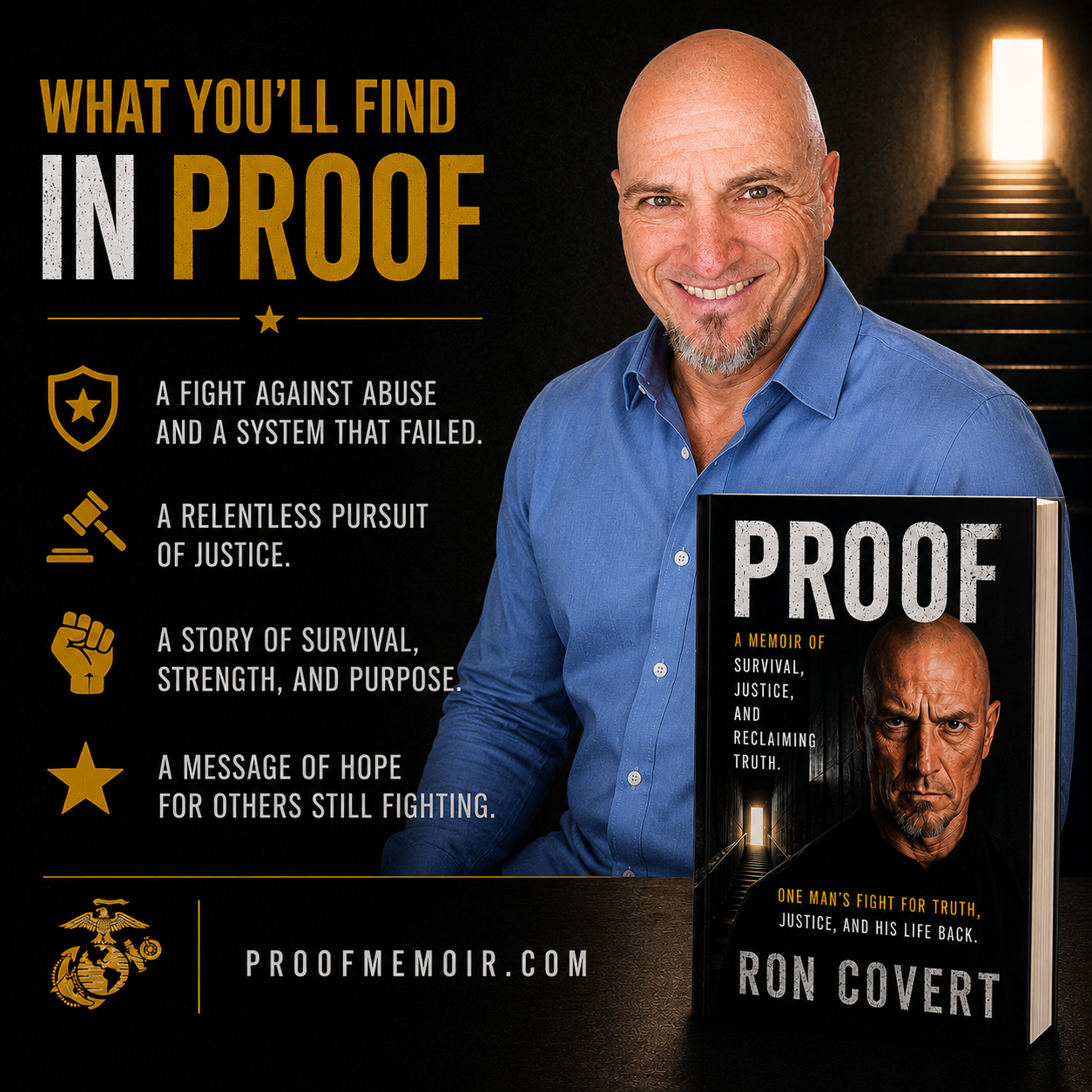
The memoir “PROOF” offers a powerful narrative that challenges these stereotypes. Through personal stories, it reveals how bias can cloud judgment and dismiss credible evidence. The book serves as a call to action, urging systems and individuals to rethink their assumptions about victims.
By sharing his story, the Marine author of “PROOF” provides a voice for those who often go unheard. His experience highlights the need for systemic change and the importance of recognizing all forms of victimhood. The memoir encourages readers to see beyond stereotypes and focus on the truth of each individual’s experience.
Frequently Asked Questions
What is survivor bias in victim services?
Survivor bias in victim services refers to the systemic tendency to dismiss or doubt victims who don’t fit stereotypical profiles. This bias can lead to delays or denials of support, endangering those who need help.
Why is credibility assessment important in these cases?
Credibility assessment is crucial because it evaluates the truthfulness of a victim’s account. However, biases can taint this process, leading to unjust outcomes. It’s essential to focus on evidence rather than stereotypes.
How can individuals help combat systemic bias in victim support?
Individuals can combat systemic bias by educating themselves on the diversity of victim experiences, advocating for fair assessments, and supporting changes in victim response systems. Reading materials like the “PROOF” memoir can also provide valuable insights and foster empathy.
What role do advocacy groups play in supporting unseen victims?
Advocacy groups work to shift perceptions and educate systems about the diversity of victim experiences. They push for changes in how victims are evaluated and emphasize the importance of focusing on evidence rather than stereotypes.
How does the “PROOF” memoir contribute to domestic violence awareness?
The “PROOF” memoir challenges stereotypes and highlights the systemic biases that affect victims. By sharing a personal story of resilience, it encourages readers to rethink their assumptions and advocate for fairer victim support systems.
Leave a Reply