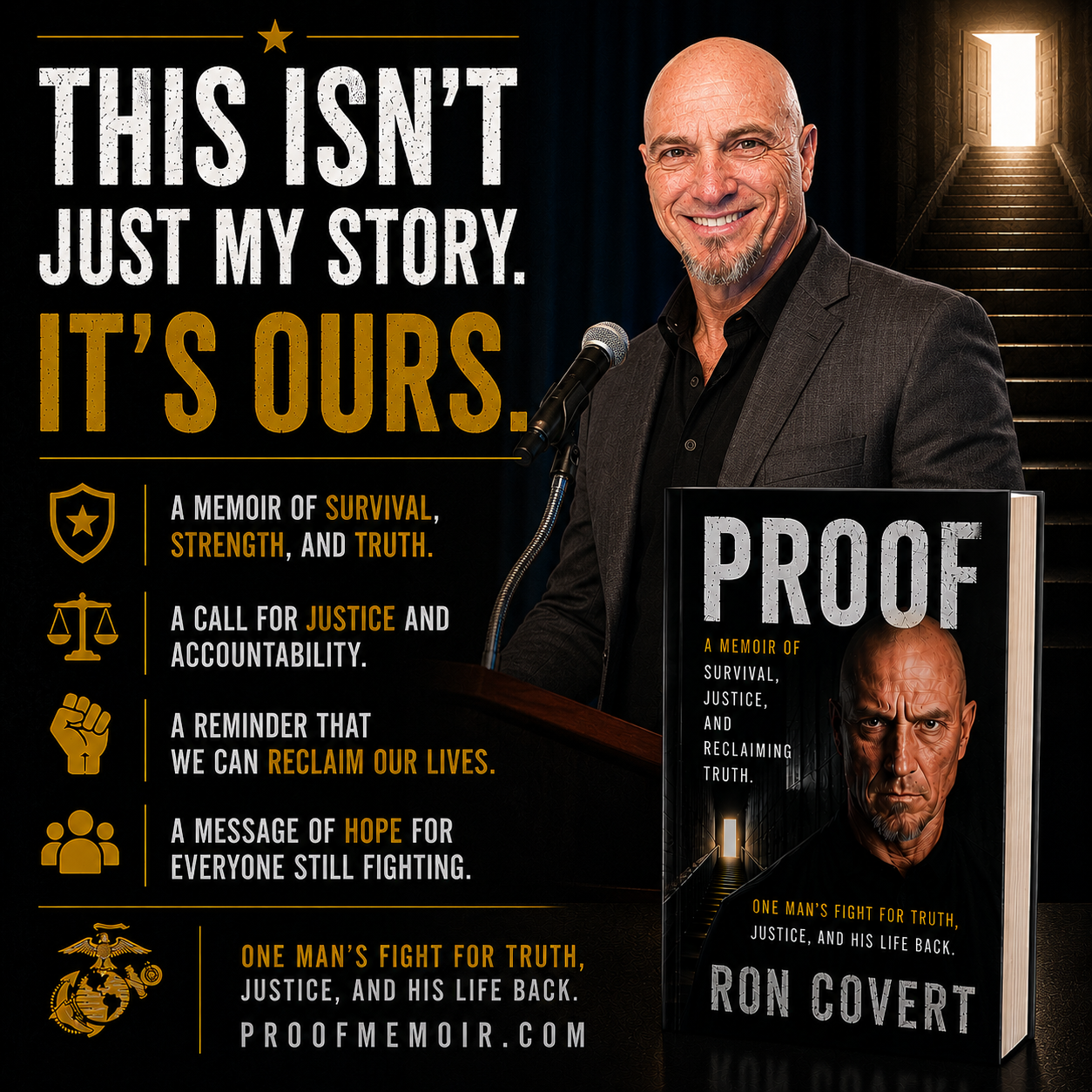
The official record often lags behind the truth survivors live every day. Months of disciplined survivor-led documentation can break through the silence and force institutions to finally acknowledge reality. When evidence built with precision enters the record, it reshapes who gets recognized and how justice moves forward. Your story, your facts, your voice become the foundation no system can ignore. Learn more about survivor-led advocacy.
Frustration of Being Unseen
When your truth is ignored, it feels like shouting into a void. Survivors often face disbelief due to stereotypes and assumptions. This gap between lived experience and institutional recognition creates deep frustration.
Challenges of Survivor-Led Documentation
Taking control of your narrative is both empowering and daunting. Survivors who document their journey face hurdles: disbelief, bias, and emotional tolls. They must gather evidence like recordings or scars, which can be overwhelming. Many feel their efforts won’t be enough because they don’t fit the “victim mold.” Yet, turning personal truth into documented proof is a powerful step toward recognition.
Survivor-led documentation requires ongoing courage. You might face skepticism or outright rejection from those you turn to for help. This discouragement can halt progress, but persistence pays off. When your detailed records finally enter the official account, they challenge misconceptions and force systems to see the truth. The more survivors engage in this process, the more they reshape what counts as credible evidence.
Systemic Failure in Recognition
Too often, systems fail to recognize the truths survivors present. This failure stems from rigid stereotypes about what victims should look like. People assume if you don’t show visible scars or match expected profiles, your story lacks credibility. These assumptions are harmful and dismissive. They allow genuine cases to be overlooked and justice to be delayed or denied.
The justice system often overlooks evidence due to these biases. Courtrooms may grant orders against survivors while denying them protection, even on the same day in the same building. This inconsistency highlights a critical failure in recognizing all victims. By relying on stereotypes, systems miss the nuanced realities of abuse and its many forms. As survivors continue to document their experiences with precision, they challenge these biases and push for greater accountability and understanding.
Empowerment Through Control

Taking control of your narrative changes the game. When you become your own witness, you shape how your story is seen.
Becoming Your Own Witness
Recording your experiences and gathering evidence are acts of self-advocacy. You’re not just sharing what happened; you’re building a case that stands on its own. This process enables you to present facts that can’t be ignored. It’s about creating a path for your truth to be acknowledged and validated.
Being your own witness empowers you to reclaim your narrative. By documenting your journey with discipline, you’re telling the world: “Here is the truth.” This approach shifts the focus from what others perceive to what you’ve experienced. It challenges stereotypes by showing that anyone can be a victim, regardless of appearance or background. As survivors take this step, they pave the way for others to follow, creating a community that values truth over assumption.
Discipline and Precision in Evidence
Building a solid case requires meticulous attention to detail. Documenting dates, incidents, and patterns creates a comprehensive picture that speaks for itself. This discipline in gathering evidence transforms personal experiences into undeniable proof.
Precision in documentation ensures that no detail is overlooked. It’s about showing the consistency and accuracy of your account. When you maintain this level of diligence, your evidence becomes harder to refute. You’re not just telling a story; you’re presenting a fact-based narrative that demands recognition. This approach forces systems to confront their biases and acknowledge that not all victims fit the expected mold.
Advocacy as a Tool

Turning your experiences into advocacy can drive systemic change. By sharing your story, you become a voice for the unseen.
Justice for Unseen Victims
Advocacy shines a light on the overlooked aspects of victimhood. By speaking out, you highlight the systemic failures that leave many unheard. Your story challenges the status quo and calls for justice that includes all survivors.
Most people believe that justice is straightforward, but the reality is more complex. Many victims are unseen because they don’t fit traditional molds. By advocating for change, you help redefine what it means to be a victim. This work is vital for creating a world where all survivors are recognized and supported. As you continue to push for justice, you inspire others to join the cause and demand better from our systems.
Speaking Engagements on Victim Recognition
Sharing your story through speaking engagements amplifies your message. By addressing organizations, advocacy groups, and law enforcement, you educate others on the realities of victimhood. Your insights help reshape perceptions and improve recognition practices.
Engaging with different audiences allows you to spread awareness and drive change. Your voice becomes a powerful tool in redefining how victims are viewed and treated. As you share your experiences, you encourage others to challenge their assumptions and support those who are often overlooked. This advocacy work not only benefits current survivors but also paves the way for future generations to be seen and heard.
Frequently Asked Questions
What is survivor-led documentation?
Survivor-led documentation is when individuals record and gather evidence of their experiences with abuse. This approach empowers survivors to present a factual account that challenges stereotypes and biases.
How can I become my own witness?
To become your own witness, document incidents as they happen. Keep detailed records, including dates and descriptions. This evidence can help validate your story and challenge misconceptions.
Why is advocacy important for unseen victims?
Advocacy raises awareness about victims who don’t fit traditional stereotypes. By sharing their stories, advocates push for systemic changes that ensure all survivors are recognized and supported.
What role do speaking engagements play in victim recognition?
Speaking engagements educate audiences on the realities of victimhood. By addressing groups and organizations, survivors can reshape perceptions and improve practices for recognizing and supporting victims.
How can systems improve victim recognition?
Systems can improve recognition by challenging stereotypes and biases. Training on trauma-informed approaches and listening to survivor stories can help ensure all victims are seen and heard.
By raising awareness and advocating for change, we can create a world where all survivors are recognized and supported. Your voice matters, and your story has the power to drive systemic change.
Leave a Reply