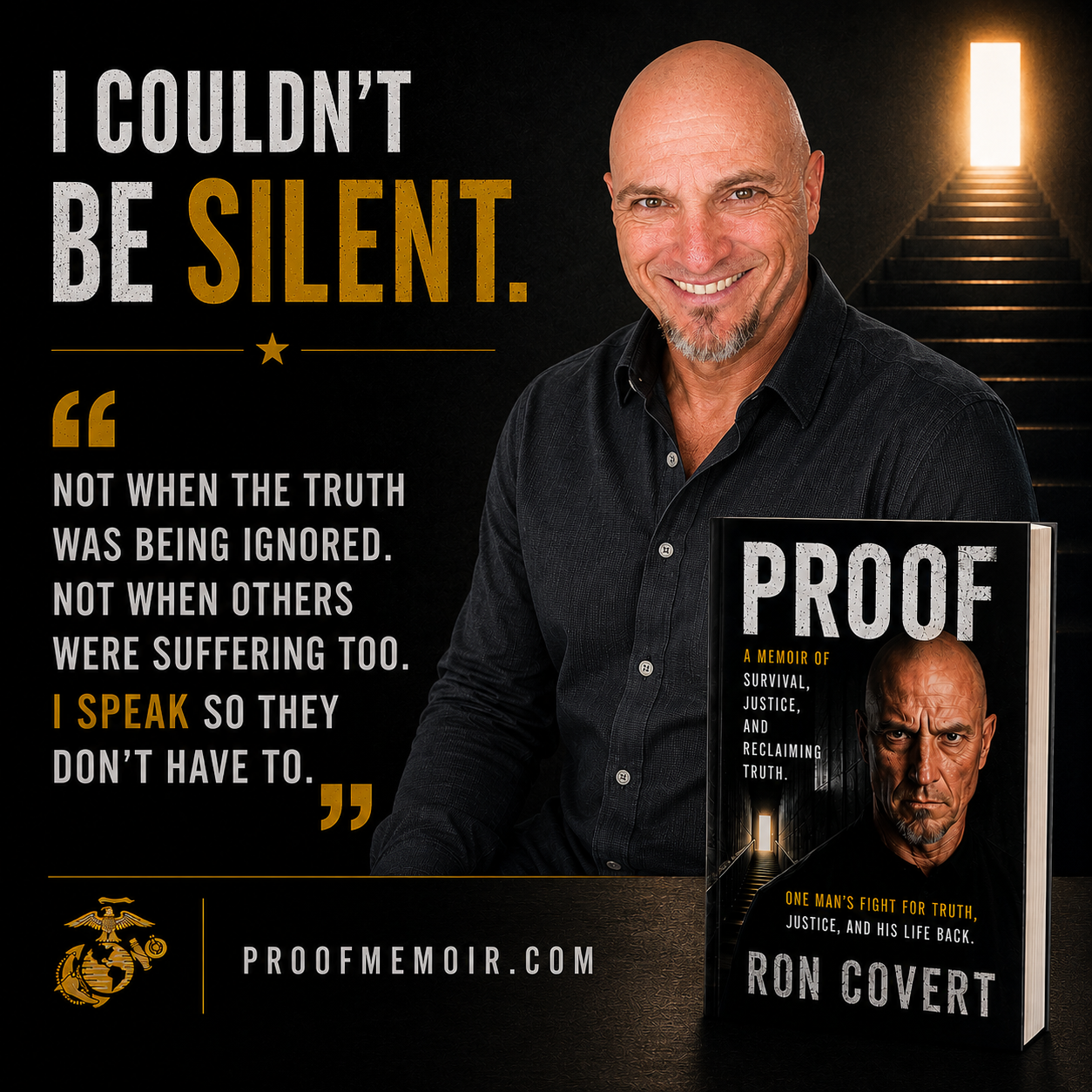
Being unseen after surviving trauma is a heavy burden. When the systems meant to protect you dismiss your story, survival alone isn’t enough. Logotherapy offers a way to build meaning from that pain—a disciplined path to reclaim your truth and purpose. Read on to learn how survival can shift from private pain to powerful testimony.
The Weight of Being Unseen
Surviving trauma often leaves you feeling invisible. The systems meant to protect end up ignoring your truth, creating a heavier burden than the trauma itself.
Misunderstood and Overlooked
You might be asking, “Why don’t people believe my story?” Often, stereotypes about what a victim looks like cloud judgment. A Marine who experienced domestic violence knows this well. Despite recording evidence, his story was dismissed because he didn’t fit the expected profile. This highlights a painful truth: credibility is too often judged by appearance rather than facts.
Systems That Fail Survivors
Many survivors find themselves battling a system that doesn’t see them. Imagine providing evidence, only to have it called fake. This happened to our Marine survivor. Court outcomes sometimes contradict justice, as seen when one party is believed while another is ignored, even with proof. It’s time to question how these systems evaluate stories.
Building Purpose from Lived Truth

Shifting from pain to purpose requires you to reclaim your narrative. Logotherapy offers a structure for this, helping you shape a new story from lived experiences.
Logotherapy as Resistance
Logotherapy is about finding meaning in every moment, especially painful ones. This approach asks you to look at trauma differently. Instead of being a passive survivor, you become an active participant in your healing. The Marine turned his survival into resistance by documenting his experiences. It’s proof that meaning can be a powerful tool against being unseen.
Survival as Testimony
Your survival isn’t just a personal victory; it’s a testimony to others. Sharing your story can transform private pain into public strength. For the Marine, speaking engagements became a platform to advocate for others. When you share your testimony, you challenge stereotypes and offer new narratives to the world.
Expanding Recognition and Resilience

Recognition is not just about being seen; it’s about being understood. This section explores how to widen the lens through which society views survivors.
Challenging Victim Stereotypes
Most people think a victim looks a certain way, but this is a misconception. Your story can redefine what victimhood looks like. By challenging stereotypes, you create space for nontraditional victims to be heard. The Marine’s story is a prime example: it disrupts the stereotype of what a victim should look like, urging society to rethink its assumptions.
Advocacy for Nontraditional Victims
Advocacy is crucial for widening recognition. Nontraditional victims need voices that fight for their stories to be heard. Whether it’s through speaking engagements or writing, advocacy changes perceptions. It helps law enforcement and other professionals recognize diverse narratives, promoting a more inclusive understanding of victimhood.
Frequently Asked Questions
What is logotherapy?
Logotherapy is a form of psychotherapy that emphasizes finding meaning in life, especially in challenging situations. It was developed by Viktor Frankl and is used to help individuals cope by discovering purpose in their suffering.
How can survivors use their stories to create change?
Survivors can become advocates by sharing their testimonies in public forums like speaking engagements or writing. This not only challenges stereotypes but also educates others about the diversity of victim experiences.
What are some common misconceptions about victims of domestic violence?
One common misconception is that victims must fit a certain stereotype, such as being defenseless or visibly injured. In reality, anyone can be a victim, regardless of their background, strength, or appearance. Misunderstandings like these can lead to a lack of recognition from support systems.
Leave a Reply