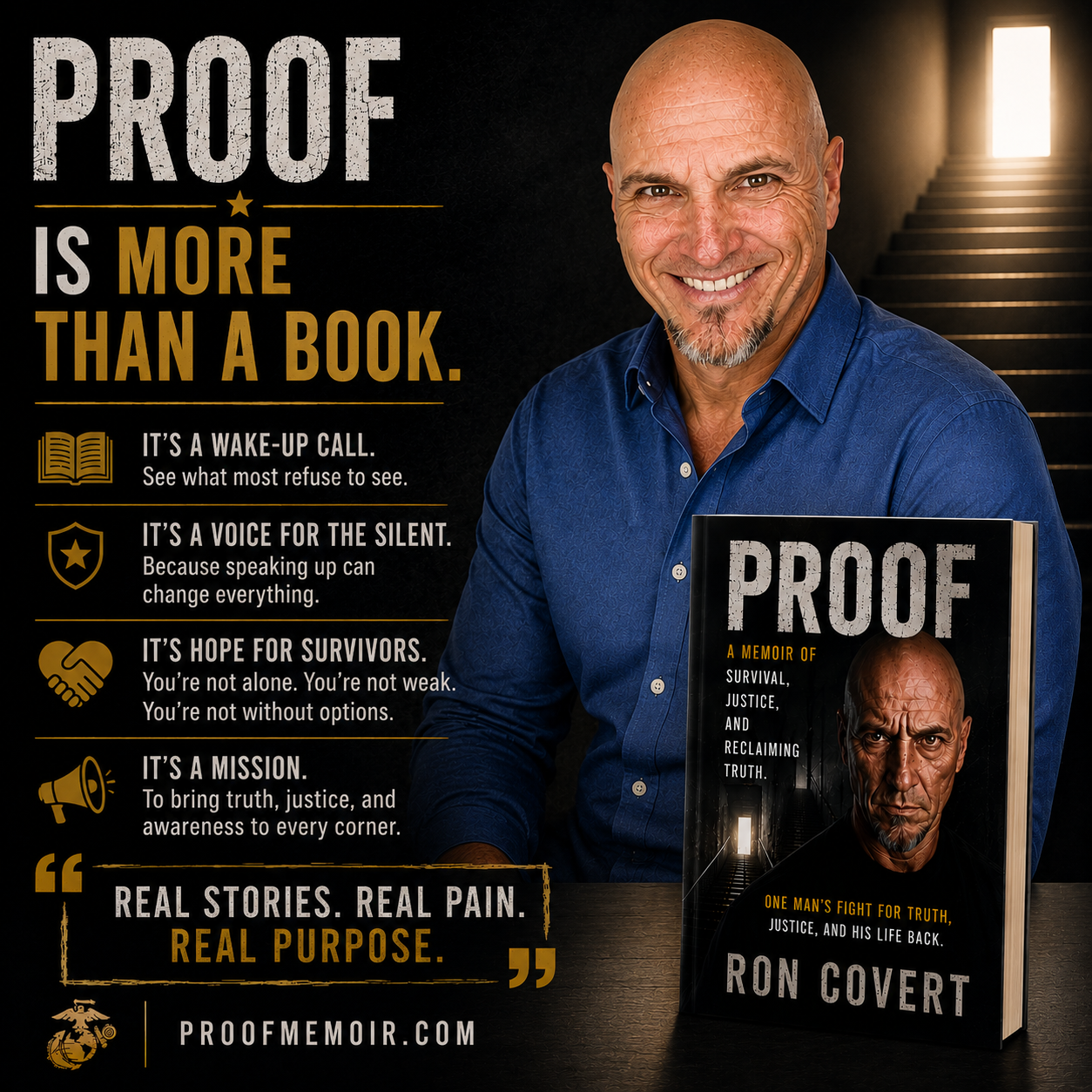
Survivors often face a hidden test: they must fit a neat, comforting image before their stories are believed. Elie Wiesel’s words cut through this illusion, demanding we listen to testimony that refuses to be polished or softened. In Proof Memoir, a Marine and black belt shatters victim stereotypes, proving that raw, unvarnished survivor testimony challenges who gets seen and heard. Your view of survivor testimony will never be the same. For more insights on the impact of Wiesel’s legacy and survivor narratives, visit this article.
Discomfort in Survivor Testimonies
Navigating the world of survivor testimonies can be challenging, especially when preconceived notions clash with unfiltered truths. This becomes particularly evident when the survivor’s story doesn’t align with typical stereotypes.
Challenging Victim Stereotypes
It’s easy to assume what a victim should look like. Our minds often default to familiar images, but this is misleading. The Marine in the Proof Memoir defies these norms. He demonstrates that strength and resilience can coexist with vulnerability. Society often overlooks those who do not fit the expected victim profile. This oversight can lead to disbelief and dismissal, further isolating those who need support the most. It’s crucial to recognize that anyone can be a victim, regardless of their outward appearance or accomplishments.
The Power of Unfiltered Voices
When survivors share their stories without filters, it can be a powerful catalyst for change. Raw testimonies like those in Proof Memoir force us to confront uncomfortable truths. They break down barriers built by stereotypes. This unvarnished truth is essential for genuine understanding and empathy. Listening to these voices broadens our perspective, allowing us to see beyond superficial judgments and truly hear the experiences of those who have suffered.
Elie Wiesel’s Unvarnished Truth

Elie Wiesel’s words resonate deeply when considering the narratives of survivors who don’t fit conventional molds. His insights cut through bias, urging us to embrace the full scope of human experience.
Quotes That Cut Through Bias
Wiesel once said, “Whoever listens to a witness becomes a witness.” This quote underscores the importance of acknowledging raw testimonies. By truly listening, we validate survivors’ experiences. It compels us to move beyond bias and preconceived notions. Elie Wiesel’s Night and the Stories the World Is Still Learning to Hear explores how his words challenge us to rethink our perceptions of survivor stories. Such narratives demand recognition, urging society to reassess who gets to be believed.
Lived Experience as Proof
Survivors like those in the Proof Memoir embody the essence of Wiesel’s teachings. Their lived experiences serve as undeniable proof of the need for change. When a Marine records his reality, it becomes a testament to resilience and truth. This documentation is vital, especially in systems that frequently doubt survivors who defy stereotypes. By sharing their stories, these individuals advocate for a broader understanding and acceptance of what it means to be a victim.
Recognizing the Unseen Survivors

It’s time to expand our view of who survivors are. By embracing diverse narratives, we can foster a more inclusive and supportive environment.
Expanding Our Perception
To truly support survivors, we must let go of limiting stereotypes. Recognizing the diversity within survivor experiences is crucial. Night Memoir: What Gets Missed When People Assume Survival Looks a Certain Way highlights how assumptions can obscure the truth. By acknowledging the unseen and unheard, we make room for voices that challenge our biases. This shift in perception is vital for creating a more just and empathetic society.
The Call for Change and Action
Advocacy is key in transforming how we perceive and support survivors. It’s not just about listening; it’s about taking meaningful action. Engaging with memoirs like Proof Memoir inspires change. By recognizing the stories of those who defy expectations, we can drive systemic improvements. It’s a call to action for individuals, organizations, and law enforcement to prioritize trauma-informed and inclusive responses. As we learn to believe and support all survivors, we pave the way for a more compassionate future.
Frequently Asked Questions
What is the main message of Proof Memoir?
“Proof Memoir” challenges traditional victim stereotypes and emphasizes the importance of recognizing all survivors, regardless of their appearance or background. It is a call to action for systemic change and advocacy.
Why is Elie Wiesel’s perspective important for understanding survivor testimonies?
Wiesel’s insights highlight the necessity of listening to unfiltered testimonies. His words encourage us to look beyond stereotypes and validate the experiences of all survivors, fostering a more inclusive understanding.
How can society better support survivors who defy conventional victim profiles?
Society can support these survivors by challenging stereotypes, listening to diverse voices, and advocating for systemic changes that recognize all victim experiences, not just those that fit traditional molds.
Leave a Reply