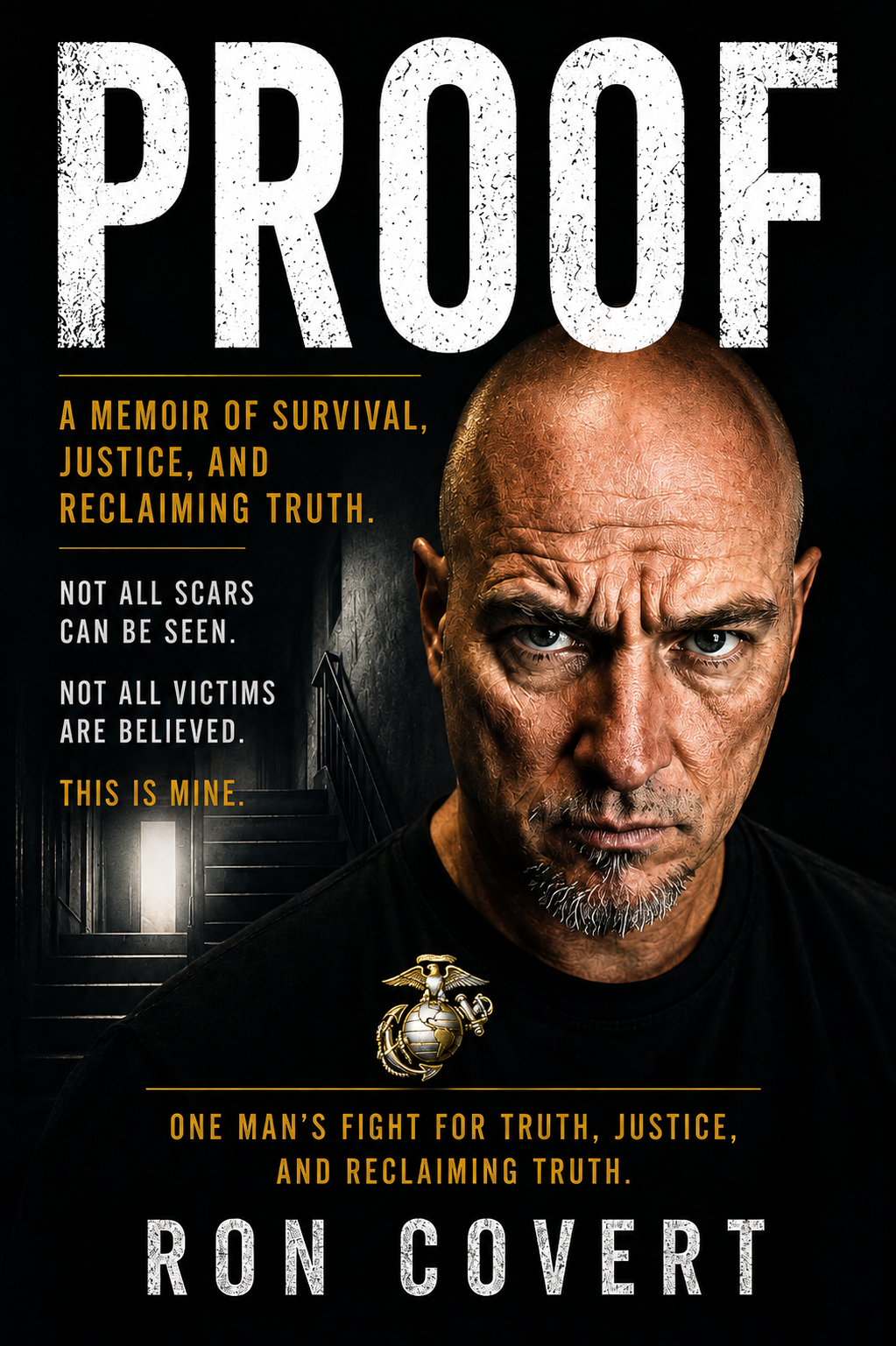
Night by Elie Wiesel stands as a stark reminder that survivor testimony can outlast silence and denial. You know the frustration when clear evidence meets disbelief, especially when a survivor’s truth doesn’t fit the expected image. This tension drives the heart of Proof Memoir—showing how documented truth demands reckoning beyond bias and dismissal. Keep reading to confront why even the most powerful stories still face doubt. Read more about Elie Wiesel’s journey here.
The Power of Survivor Testimony
When you read Night by Elie Wiesel, you’re hit with the power of testimony. It’s more than a story; it’s a record of truth demanding to be heard.
Understanding Night by Elie Wiesel
Wiesel’s account of his Holocaust experiences serves as a stark reminder that even the most powerful stories face doubt. His testimony challenges you to confront biases that often silence truth. Wiesel’s words offer a deep dive into the horrors he witnessed, urging you to question why such clear testimony is ever ignored. His work is not just about recounting events, but about ensuring that the truth enters the public consciousness, demanding a response.
Proof Memoir: A Modern Parallel
Proof Memoir follows in the footsteps of Night by highlighting the ongoing struggle for recognition. This memoir by a Marine and black-belt survivor continues the narrative that truth must be acknowledged, regardless of appearance or expectation. It echoes Wiesel’s message, reminding you that survivor narratives remain critical. By documenting experiences, it aims to shatter stereotypes and force a deeper reckoning with reality.
The Weight of Documented Truth
The weight of documented truth cannot be underestimated. Both Wiesel’s and the Marine’s accounts show that evidence exists, yet skepticism often prevails. Recorded testimonies can stand as a testament to resilience and push back against disbelief. They compel you to acknowledge that even when truth is presented clearly, societal biases can obscure it. This is not just about learning history; it’s about changing present perceptions.
Who Gets Believed?

The transition from documented truth to belief is fraught with challenges. The real question becomes: who gets believed and why?
Bias in Investigations and Testimony
Bias affects investigations and testimonies. Even when evidence is clear, assumptions about how victims should look or behave can cloud judgment. This bias can lead to dismissal of valid testimony. It’s crucial to understand that appearance should not determine credibility. The fight against bias requires you to see beyond stereotypes and embrace the documented realities that survivors present.
The Struggle for Victim Credibility
Victim credibility is often questioned, especially when the victim doesn’t fit the expected mold. This struggle is evident in both historical accounts and contemporary narratives. You see it when a Marine survivor’s evidence is ignored because he doesn’t look like a “typical” victim. It’s a reminder that credibility should not be tied to appearance, but to the truth of the testimony itself.
Institutional Bias and Bystander Failure
Institutions often fail victims by adhering to outdated stereotypes. Bystander inaction compounds this failure, allowing biases to persist. You can see this in the contrasting outcomes within the same legal system, where one side is believed and the other is dismissed. Understanding these institutional biases is essential for creating change. Learn about these biases in Holocaust survivors’ stories.
Resilience and Justice Through Advocacy

The path to justice involves advocacy, which is crucial for transforming disbelief into action.
Survivor-Led Training and Speaking Engagements
Survivor-led training can change perceptions. When survivors share their stories, they provide firsthand insight that challenges existing stereotypes. These engagements empower you to rethink how victims are recognized and supported. By listening to survivors, organizations can learn to better evaluate evidence and offer genuine support.
Confronting Victim Stereotypes
Confronting stereotypes is essential to improving victim recognition. Many still hold narrow views of what a victim should look like. This mindset must change. By confronting these stereotypes, you can ensure that all victims are heard and supported, regardless of their appearance or background. This change is necessary for a fairer, more just system.
Empowering Change in Domestic Violence Response
Change in domestic violence response starts with acknowledging bias and acting on survivor testimony. By prioritizing documented truth over appearance, you can help create an environment where all survivors are believed. This empowerment leads to better support systems and a more informed public. Explore more about empowering change in domestic violence response.
Frequently Asked Questions
What makes survivor testimony so powerful?
Survivor testimony is powerful because it provides firsthand accounts of events, offering a deeply personal perspective. It challenges societal assumptions and demands that truth be recognized and respected.
Why are some victims not believed despite clear evidence?
Victims may not be believed due to biases and stereotypes about how a victim should look or behave. These misconceptions can lead to the dismissal of valid evidence and testimony.
How can institutions improve their response to survivor testimony?
Institutions can improve by training staff to recognize and confront biases, ensuring that all testimonies are evaluated based on their merit rather than stereotypes. Survivor-led training can offer valuable insights for this improvement.
What role does advocacy play in changing perceptions?
Advocacy plays a crucial role in changing perceptions by raising awareness and challenging stereotypes. When survivors share their stories, they help to educate and shift societal norms.
How can individuals support victims of domestic violence?
Individuals can support victims by listening without judgment, believing their testimonies, and advocating for systemic changes that prioritize evidence over stereotypes.
Book Ron to Speak or order PROOF on Amazon
Leave a Reply